
‘Coyote vs. Acme’ Finally Reaches Theaters After Ketchup Entertainment Rescues Shelved Warner Bros. Film
Ketchup Entertainment Brings the Looney Tunes Film to Cinemas After Acquiring Worldwide Distribution Rights
After spending years at risk of never being publicly released, Coyote vs. Acme has finally arrived in theaters, giving one of Hollywood’s most controversial shelved films an unexpected second life.
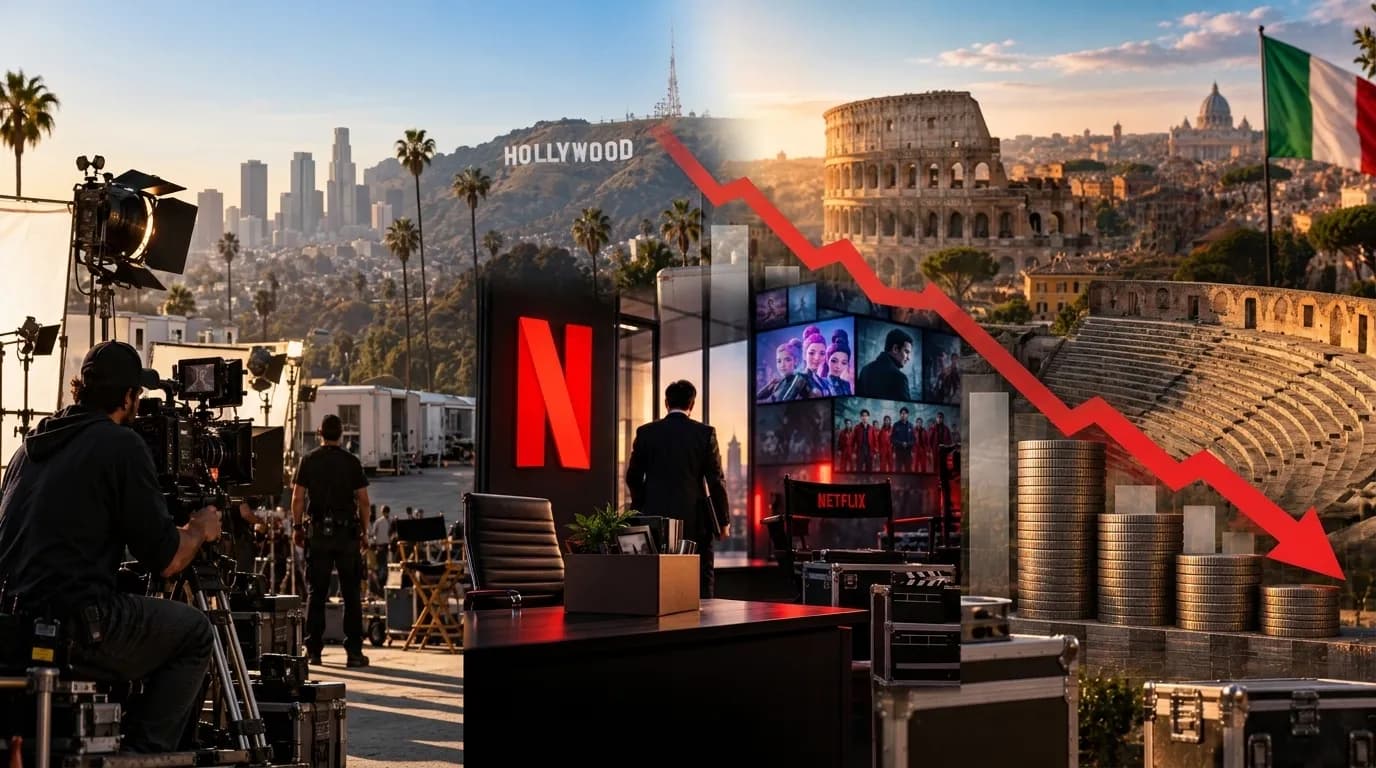
Warner Bros. Discovery originally decided in 2023 not to release the completed film, with the studio planning to use the project as part of a tax write-off. The decision generated significant criticism from filmmakers, actors, and audiences, particularly because the movie had already been completed and had reportedly performed well in test screenings.
That changed after Warner Bros. allowed the film to be offered to other buyers.
Independent distributor Ketchup Entertainment ultimately acquired worldwide distribution rights for approximately $50 million and scheduled the film for a theatrical release on August 28, 2026.
From Shelved Film to Theatrical Release
The journey of Coyote vs. Acme is unusual because the film had already been completed when Warner Bros. decided not to distribute it.
The live-action and animated production reportedly cost around $70 million, meaning a significant studio investment was at risk of remaining unavailable to audiences altogether.
Public reaction eventually led Warner Bros. to allow the filmmakers to seek another distributor, creating an opportunity for Ketchup Entertainment to step in.
The acquisition transformed the project from a cancelled studio title into a commercially distributed theatrical release.
A Strong Opening for an Independent Distributor
The decision has already produced a notable result.
Coyote vs. Acme opened with approximately $15.5 million at the North American box office, finishing in second place during its opening weekend.
The debut also became Ketchup Entertainment’s biggest opening weekend to date, an important achievement for an independent distributor competing against much larger Hollywood studios.
The result demonstrates how an established property can still generate significant theatrical demand even after its original distributor decides not to release it.
Why the Distribution Deal Matters
From a film-distribution perspective, Coyote vs. Acme provides an unusual example of how distribution rights themselves can determine whether a completed film reaches audiences at all.
A studio may decide that a project no longer fits its financial or release strategy, but selling or licensing those rights can allow another distributor to find commercial value in the same film.
In this case, Ketchup Entertainment gained access to a completed production connected to the globally recognizable Looney Tunes brand without financing the film’s original production.
Warner Bros., meanwhile, was able to monetize an asset it had previously decided not to release.
Independent Distribution Creates a Second Opportunity
The story also highlights the role independent distributors can play within the global film business.
Smaller distributors often acquire projects that major studios no longer want to release directly, allowing those films to reach cinemas, digital platforms, or international markets through a different distribution strategy.
For Coyote vs. Acme, that strategy turned a film once expected to remain permanently shelved into a theatrical release with a significant opening weekend.
This illustrates an important principle for producers and rights holders: a project rejected by one distributor may still hold substantial value under a different distribution model.
What It Means for the Film Industry
For Art City Distribution, the Coyote vs. Acme case is particularly relevant because it demonstrates how ownership and distribution are not the same thing.
Completing a film does not guarantee that audiences will ever see it. Distribution determines how — and sometimes whether — that content reaches the market.
The film’s revival shows how rights acquisition, independent distribution, catalogue value, audience demand, and theatrical strategy can give a project an entirely new commercial opportunity.
What began as one of Hollywood’s most controversial shelving decisions has now become a notable example of how a new distributor can bring a completed film back into the marketplace.