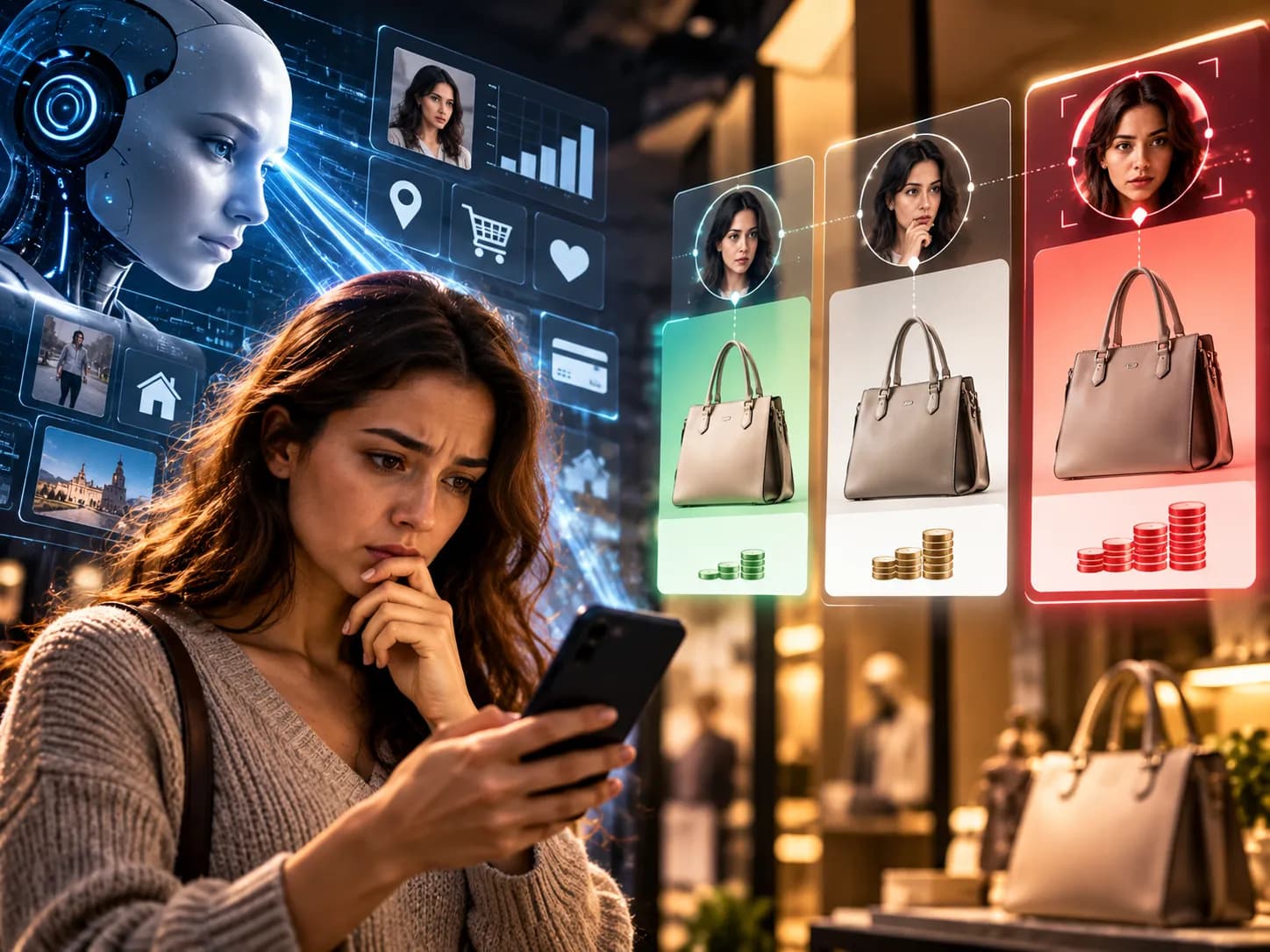

When AI Knows How Much You Are Willing to Pay; The Risks of Surveillance Pricing
«Imagine this; you and someone else are buying the exact same product, at the same store, at the exact same time, yet you both see a different price! Not because of a discount, but because AI knows who is willing to pay more.»
This is one of the major concerns increasingly being discussed in the market alongside the rapid growth of AI Pricing and the phenomenon of "Surveillance Pricing." According to an Associated Press report, the use of AI, dynamic pricing, and digital price tags in retail stores has raised significant questions among consumers regarding transparency and price fairness.
The problem isn't just the speed at which prices change. The real concern is this: What happens if a customer's personal data is used to evaluate exactly how much each individual is able and willing to pay?
This is where the delicate line between "Personalization" and "Surveillance Pricing" becomes clear. In the former, data is used to provide you with a better, more relevant offer. In the latter, your data becomes a tool to estimate your purchasing power and impose the highest possible price on you.
What is the lesson for marketers? A personalization strategy only creates value up to the point where it does not destroy consumer trust. Customers appreciate personalized offers, but if they feel a brand is using their data to figure out "how much more money they can extract," the very data meant to improve the customer experience will permanently destroy that trust.
In the age of AI, the strategic question isn't just: "What can we do with customer data?", but rather the most critical question is: "What shouldn't we do with customer data?". Ultimately, AI might find the perfect price to maximize profit; but if that price results in the loss of customer trust, the brand will have paid a far heavier price.