
European film distributors face crisis as pay-one streaming deals dry up
With pay-TV windows generating up to 90% of post-theatrical revenue, buyers are reducing output commitments and slashing minimum guarantees, leaving independent producers facing severe financing gaps across Europe.
Independent distributors across Europe are facing severe financial strain as streamers and pay-television networks curb pay-one acquisition deals, threatening the economic viability of independent film production.
Following the collapse of transactional home entertainment such as physical media, pay-one licensing has expanded to represent between 60% and 90% of a movie's post-theatrical earnings, according to distribution executives. However, major streaming platforms including Netflix and pay-TV operators such as Canal+ are scaling back multi-title output agreements and acquiring fewer independent titles, choosing instead to prioritise live sports rights, in-house productions, or cheaper library and pay-two catalogues that cost a fraction of first-window prices.
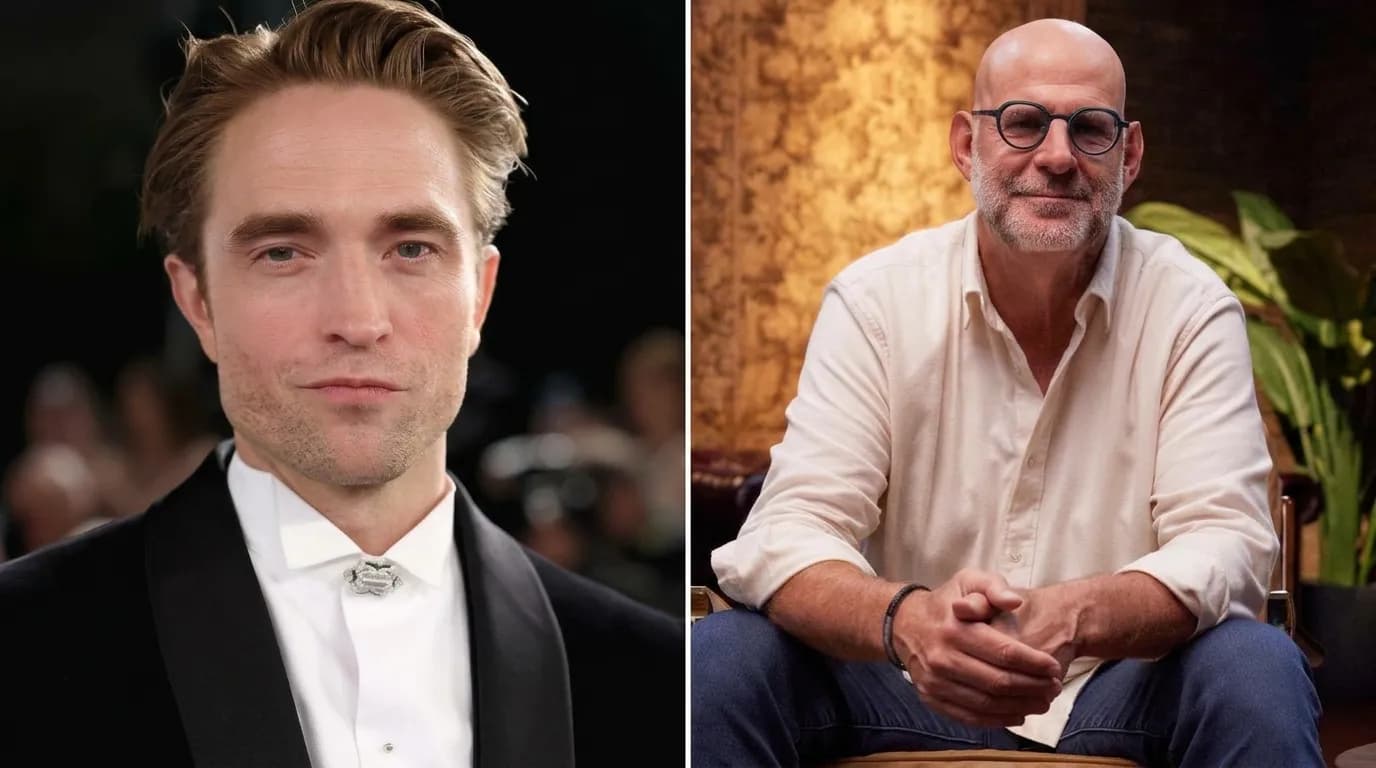
The contraction in pay-one commitments is triggering wide repercussions across the industry. Phil Hunt, co-founder of financier Head Gear Films and sales outfit Bankside Films, reported that distributors are facing heavy losses and defaulting on agreements at rates unseen in his 30-year career. With distributors increasingly unwilling to risk minimum guarantees of $400,000 to $800,000 without guaranteed downstream windows, sales agents are struggling to close pre-sales, leaving producers unable to bridge financing gaps that exceed $4m to $5m.
To navigate the winner-takes-all box-office landscape, distributors are trimming their release slates from 15 movies to between eight and ten commercial propositions. Buyers are also redirecting capital toward local-language features that satisfy European content quotas and local subsidies, such as the Italian box-office success Buen Camino, which secured pay-one backing from Netflix. Marc Gabizon, managing director of Wild Bunch Germany, noted that competition has grown fierce for projects with obvious cinema appeal, driving up acquisition prices for select pedigree titles.
Faced with an increasingly cautious acquisition market, financiers are shifting from equity backing to lower-risk debt structures, while distributors increasingly consult pay-TV buyers at the script stage. Frédéric Fiore, president of France's Logical Pictures Group, noted that investors are now recalibrating to view pay-one revenues as an eventual bonus rather than a baseline guarantee, forcing independent filmmakers to lower production budgets and adapt to a structurally altered marketplace.
Source: vertexaisearch.cloud.google.com