
Everyone Wants a Paramount Settlement. First, Look Under the Hood
Industry groups and political leaders want a settlement, but the deal’s economics make it difficult to guarantee the protections unions and exhibitors are demanding.
Unions, theater owners, and political leaders across the film industry are urging a settlement in the Paramount–Warner Bros. Discovery merger case, but fundamental financial challenges are blocking progress. While groups including the Directors Guild, IATSE, and Cinema United advocate for enforceable protections, the deal's structure complicates any meaningful guarantees.
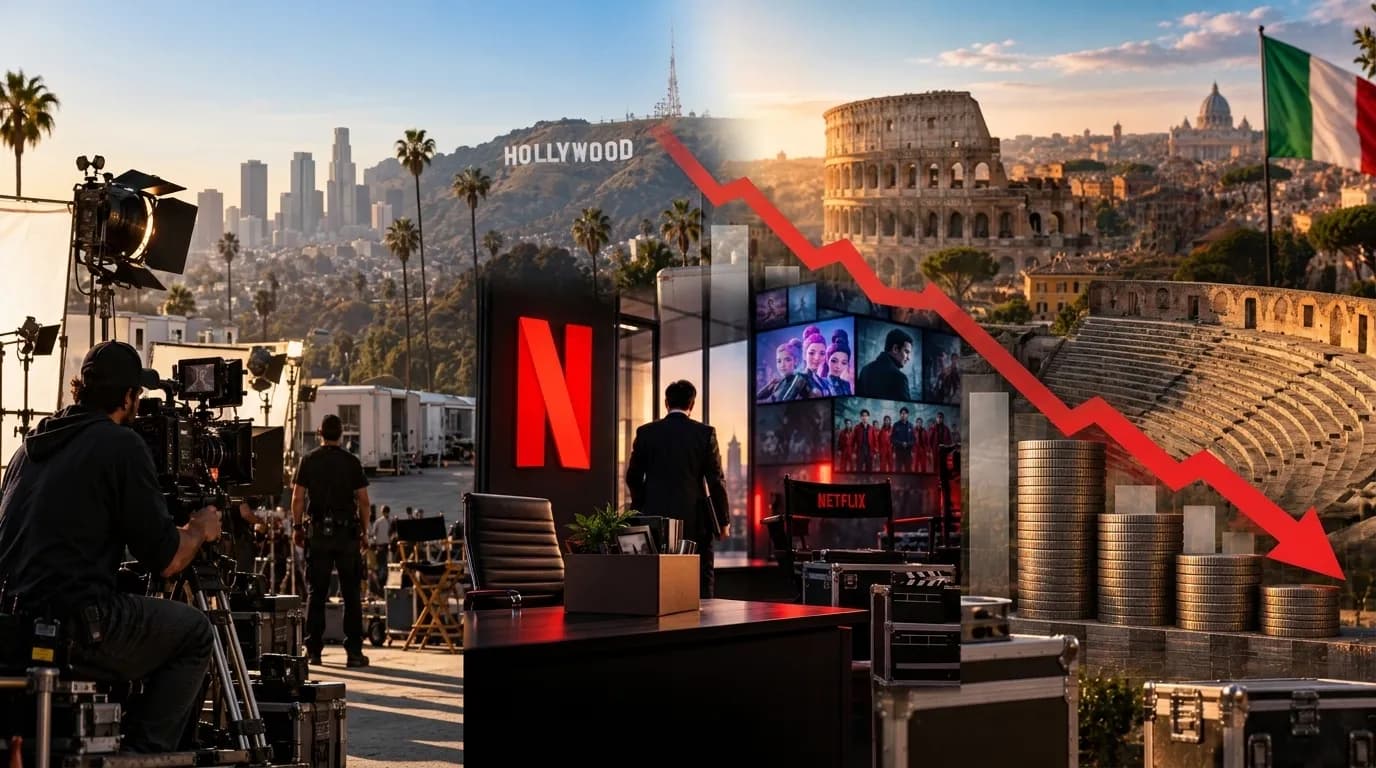
The combined company would carry over $80 billion in debt and generate about $3 billion in annual free cash flow. To meet its financing goals, Paramount must achieve more than $6 billion in cost savings, or synergies, while maintaining commitments to theatrical output, employment, and continued production in California. These obligations, however, directly conflict with the savings required to make the deal financially viable.
Industry analysis shows that promises like releasing at least 30 films a year in theaters may not offer real protection; Warner Bros. and Paramount already plan to release 35 films in 2027 as separate entities. The three-year commitment to exhibitors is below the current baseline, raising questions about whether such pledges represent genuine safeguards or simply set a lower bar for output.
Employment protections are another sticking point. Achieving the necessary synergies would likely require job cuts, but unions and local governments warn of thousands of positions at risk. Paramount argues that merging would protect more jobs than letting two weakened companies operate independently, but outside analyses suggest the exposure could be even higher than official estimates.
The merger’s streaming ambitions also face scrutiny. Competing with Netflix, Disney, and Amazon would require annual content spending of $20–24 billion, far outpacing the merged company’s available cash after debt service and other obligations. This raises doubts about whether the combined entity can deliver on promises to grow its streaming business while meeting settlement terms.
Some settlement advocates have secured specific commitments, such as output guarantees for major exhibitors, but most stakeholders have received no such assurances. The article argues that real protection would require upfront funding or escrowed guarantees, which would further strain the deal’s economics and have not been offered.
Alternatives, like keeping Paramount and Warner Bros. Discovery as separate entities under common ownership, have been proposed but are unlikely to be accepted by Paramount. The core issue remains: the numbers behind the deal do not currently support the broad protections that unions, workers, and exhibitors are demanding.
The piece concludes that before supporting a settlement, stakeholders should examine the financial realities of the merger rather than rely on public relations campaigns or surface-level promises. The arithmetic behind the deal, not intentions or assurances, is what determines whether a settlement is possible.
Source: The Hollywood Reporter