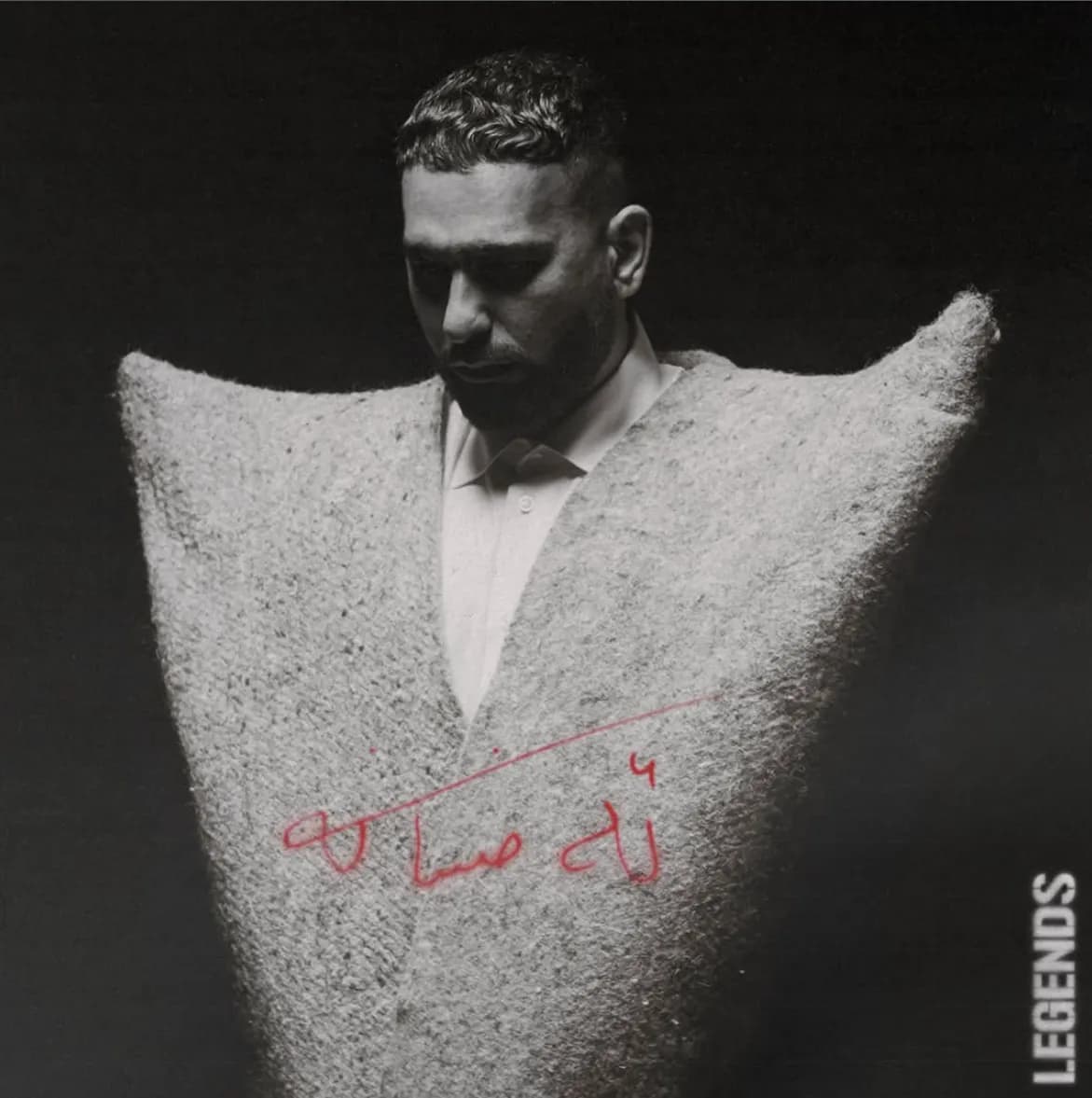

BIJI’s Afsana: Reclaiming the Kurdish Kolbal, Diaspora Identity, and the New Wave of Global Music
When luxury fashion houses like Louis Vuitton faced criticism for commercializing traditional heritage garments like the Kurdish Kolbal without acknowledging their roots, it highlighted a persistent tension in global culture: commercial appropriation versus authentic stewardship. Long before high-fashion runways attempted to reframe this traditional Kurdish symbol, the creative duo BIJI had already established the Kolbal as a central element of their visual identity for their project Afsana (meaning Legends, Myths, or Saga).
For BIJI, incorporating the Kolbal is not an aesthetic trend; it is a declaration of cultural ownership and a testament to how diaspora artists are protecting their heritage while shaping the sound of global music.
Who is BIJI? The Duo Redefining Diaspora Sound
BIJI is the artistic collision of two visionaries driven by a shared desire for cultural recognition and unrestricted self-expression:
Robin Nazari: A Kurdish-Swedish recording artist and actor born into a lineage of poets and musicians. Nazari gained widespread acclaim for his acting roles in hit Netflix series such as Snabba Cash and Clark, alongside featured appearances in major film productions like The Beautiful Game.
Maceo Frost: An award-winning director and music producer raised in a creative family steeped in street dance, skateboarding, and hip-hop culture. Frost earned a Gold Clio Award for his documentary work with Afrobeats star Burna Boy, as well as directing acclaimed film projects in collaboration with HBO and Adidas.
Musically, BIJI seamlessly fuses traditional Kurdish and Western Asian sonic elements with modern genres including Hip-Hop, Afrobeat, Latin, and Dance. Released through global distributor EMPIRE, their work features high-level collaborations with acclaimed producers such as Shareef Badloe (Ogri of Afro Bros) and Jonathan Mballa.
Inside Afsana: Freedom, Roots, and Parental Sacrifice
The Afsana project serves as a rich storytelling canvas that addresses the complexities of the Kurdish diaspora experience. Beyond its boundary-pushing production, the album dives deeply into themes of systemic longing for freedom, personal identity, and honor for family history.
A standout thematic pillar of the project—highlighted in tracks like "Sara's Poem"—is the tribute to diaspora mothers and fathers. BIJI captures the profound intergenerational shift experienced by refugee families: highly educated parents, former mathematicians, and professionals who fled conflict and accepted grueling, low-wage jobs in foreign countries—working as taxi drivers or nursing home aides—solely to guarantee their children the opportunity to gain university degrees and live out their unfulfilled creative dreams.
Cultural Integrity vs. High-Fashion Appropriation
The contrast between luxury fashion's superficial use of the Kolbal and BIJI's organic integration of the garment underscores a critical shift in the modern music landscape.
When global brands appropriate indigenous symbols, the narrative is stripped of its historical weight. By positioning the Kolbal at the forefront of a modern, multi-genre music project, BIJI reclaims the narrative. They prove that traditional heritage belongs to the community that preserved it, serving as a living bridge between ancestral memory and modern youth culture.
The Future of Authentic Global Fusion
BIJI’s work represents more than music; it is a movement toward self-determination for diaspora artists worldwide. By refusing to dilute their identity for mainstream appeal, they demonstrate that hyper-local cultural stories—when produced with world-class artistry—resonate far beyond geographic borders