
Sam’s Club Uses AI to Predict Customers' Future Purchases; P&G Experiment Increases Marketing Effectiveness by 2.3x
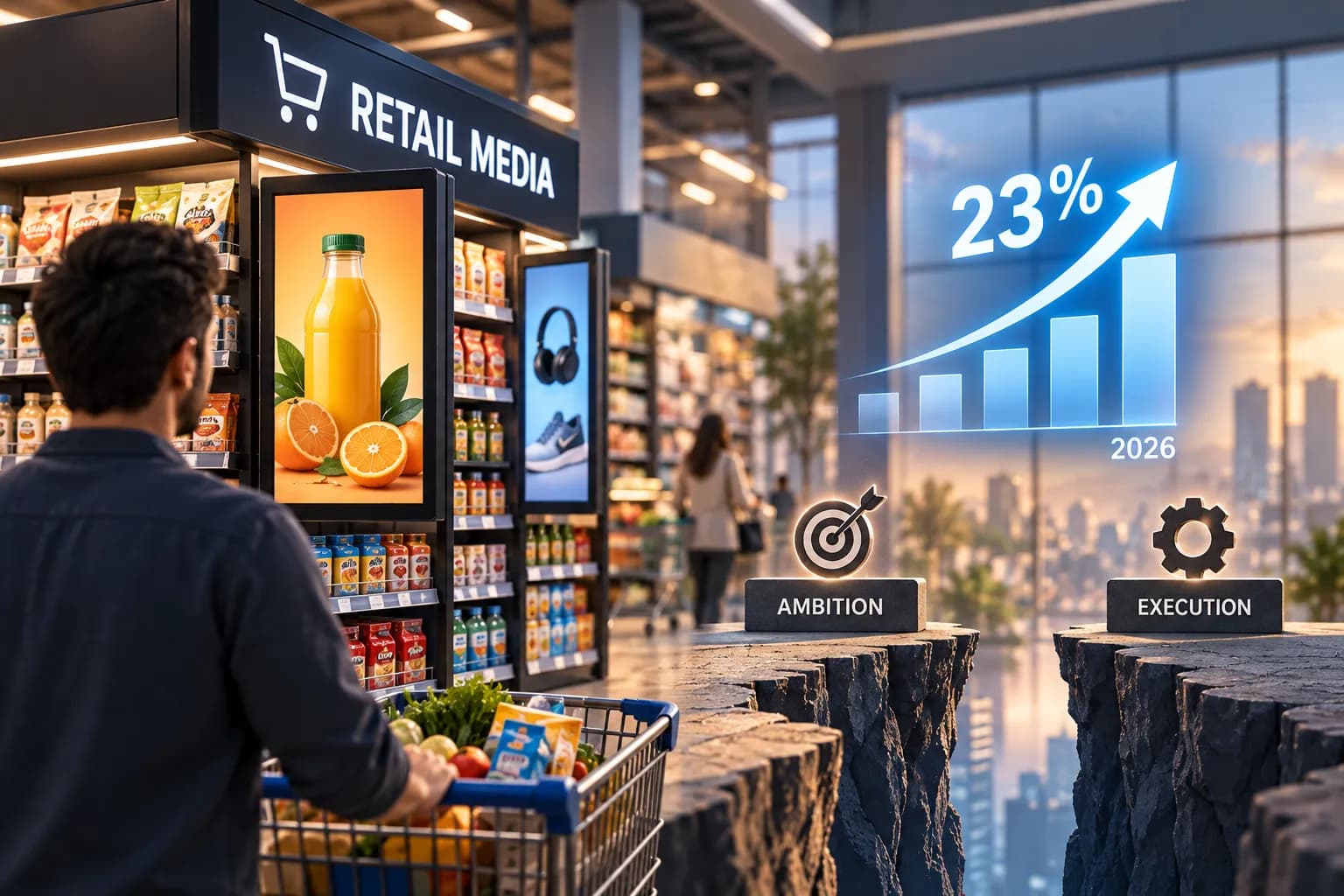
Sam’s Club has developed a new targeting system powered by artificial intelligence and machine learning known as Predictive Precision Targeting. This system utilizes platform member data and over 400 purchase intent signals to predict which customer will be ready to buy a specific product or brand in the future, even before the customers themselves have made the purchasing decision.
The fundamental difference between this model and traditional advertising systems is that most platforms look to the past, asking: what did the customer buy previously, what products did they view, or which brands did they interact with? However, the Sam’s Club model shifts the direction and asks: what will the customer buy next? By analyzing data, the system identifies individuals who are most likely to become new customers for a brand. It does not solely focus on a single initial purchase but also predicts the customer's long-term lifetime value.
To prove the power of this system in practice, P&G conducted an experiment aimed at selling Cascade Platinum Plus to people who had never purchased it before. The predictive model identified nearly 800,000 households whose purchasing behavior indicated a high likelihood of buying this product. Utilizing this system increased the marketing campaign's effectiveness by 2.3 times. The strongest aspect of the system was its long-term forecasting; the model predicted that the spending of this targeted group on future purchases would increase by 71%. After 12 months, comparing these predictions with actual data revealed that the AI was 94% accurate.
This technology is not strictly for acquiring new customers. The system can also identify customers who are likely to stop using a brand, giving companies the opportunity to re-engage them and find solutions before they churn. Furthermore, the model is applied to big-ticket items like televisions. For example, a customer purchasing an audio device like a soundbar, a gaming console, or a streaming device serves as a signal to the system that the household might intend to buy or upgrade their TV within the next 60 to 90 days.
This development carries a massive message for the marketing world: customer targeting is shifting from "responding to past behavior" to "predicting future behavior." Brands will no longer wait for a customer to search for a product or explicitly reveal their intent. Instead, AI will attempt to read that intent early and display the ad at the perfect time. Despite this advancement, this new direction raises serious challenges regarding data and personal privacy. The ultimate question is: to what extent will customers feel comfortable with an AI system knowing their future needs before they do? If this model becomes the industry standard, the primary question for brands will shift from "what did the customer do previously?" to "what will the customer do next?"