
The Retail Media Advertising Market is Expected to Grow by 23% in 2026, Yet a Significant Gap Remains Between Goals and Execution Capabilities.
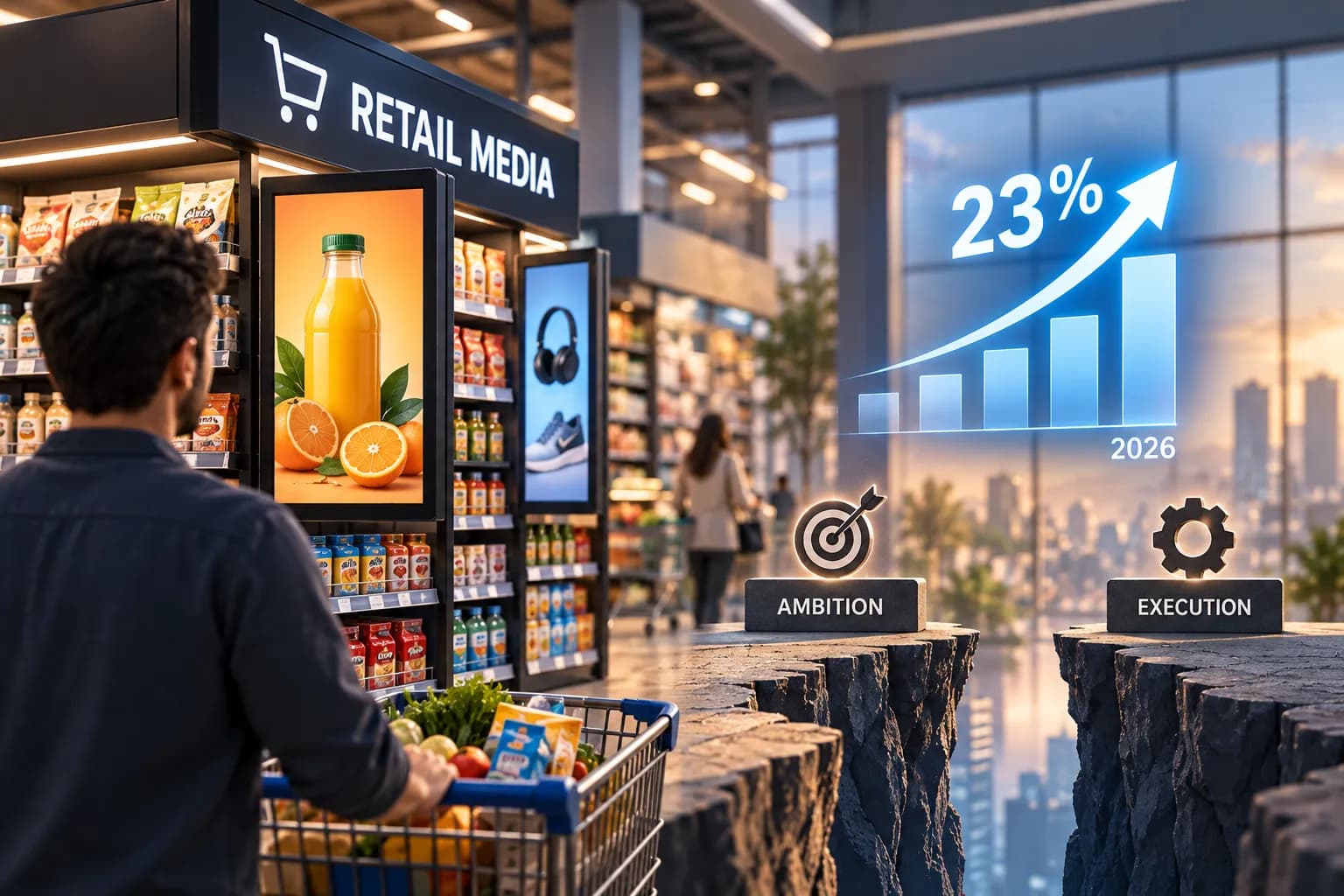
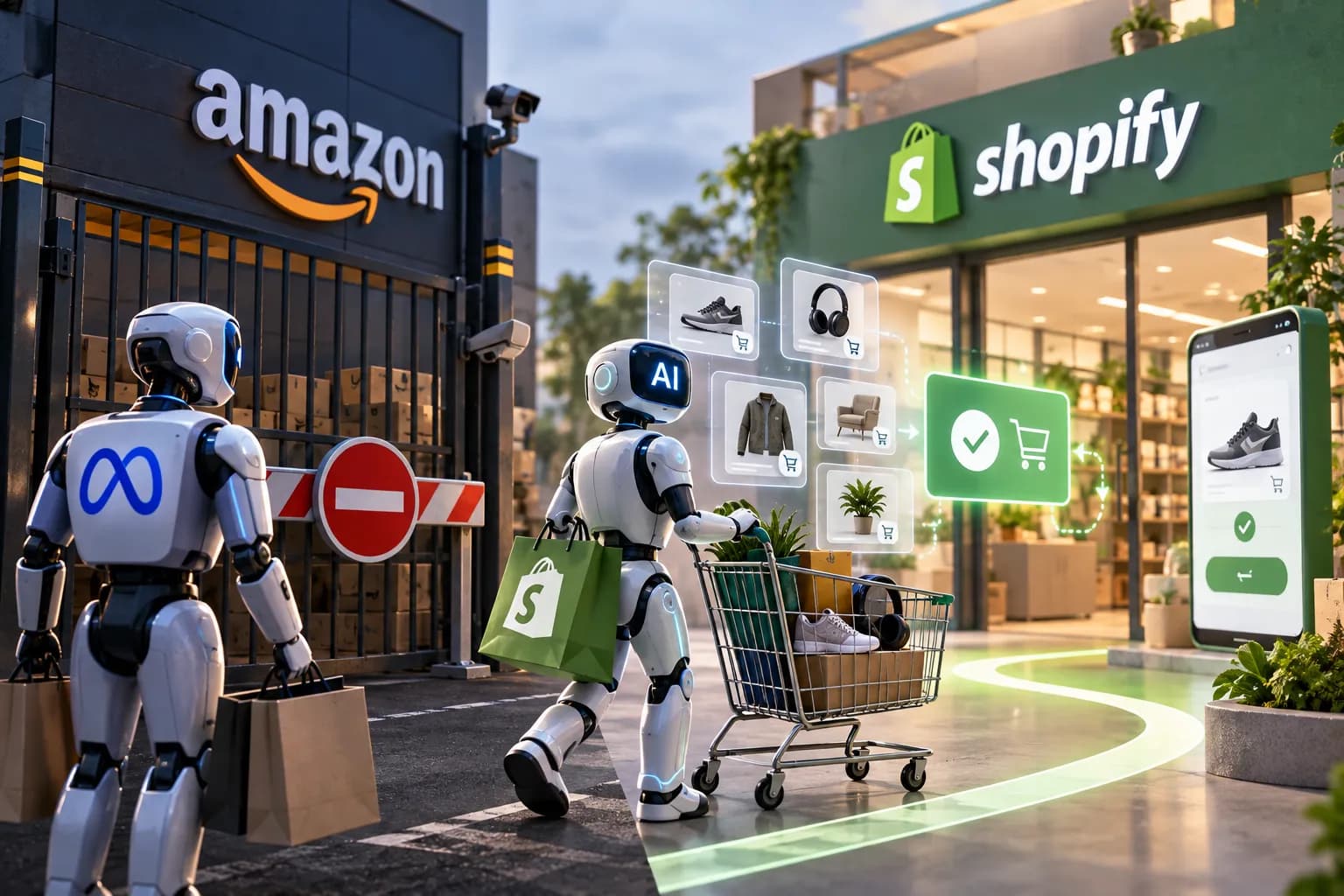
The Retail Media model involves retail giants like Amazon and Walmart selling advertising space within their websites and apps to various brands. For example, when a shopper searches for a specific type of coffee, a brand can pay to have its product appear at the top of the search results. In doing so, the retailer not only profits from the sale of the product but also generates additional revenue from selling the advertising space.
According to data presented by eMarketer analyst Sarah Marzano at the Groceryshop 2026 conference, executives managing these networks anticipate a 23% growth. However, less than one in five predict they will exceed their plans, and nearly a third believe they will fall short of their set targets. This hesitation among retailers is heavily tied to measuring the true impact of the advertisements. Only 31% of executives are confident that their ad revenues represent new money rather than just shifted brand budgets from other channels. This brings two strategic marketing concepts to the forefront: Return on Investment (ROI), which measures the revenue generated against the advertising spend, and Incrementality, which answers the precise question of whether the shopper would have made the purchase even without seeing the ad.
Today, brands are no longer satisfied merely by looking at click counts; they want to know exactly how many additional purchases the ad generated. To achieve near-term growth, retailers still rely heavily on conventional formats like sponsored search and artificial intelligence. Overcoming these challenges cannot be done through technology alone; it requires complete integration across marketing, sales, data, and store management teams. When an ad captures a buyer's attention, the product must actually be available in the store for the purchase to be completed.
As a P&G representative highlighted at the conference, the partnership between a brand and a retailer must not be limited to a short-term campaign. The strategy needs to be long-term, aimed at establishing brand awareness and driving purchase intent. In this new phase, Retail Media is transitioning from merely an additional revenue source into a fundamental pillar of brand marketing. The decisive question moving forward will no longer be "how much money was spent?" but rather, "how many entirely new purchases can this money generate?"