
Music Catalogues, Public Funding and Share Buybacks: Three Global Music-Industry Moves Explained
Universal Music Poland acquires Kayax’s catalogue, Sound NSW launches new funding, and Spotify expands its share-buyback authorisation.
Three developments in Poland, Australia and the global streaming market show where music-industry investment is moving.
Universal Music Poland is expanding its control over valuable local-language recordings. Sound NSW is investing in artists, touring, audiences and live-music infrastructure. Spotify, meanwhile, has increased the amount it may spend repurchasing its own shares.
The common message is clear: music catalogues, professional infrastructure and corporate capital strategies are becoming increasingly important parts of the global music economy.
What Did Universal Music Poland Acquire From Kayax Records?
Universal Music Poland has acquired the catalogue business and brand rights of Polish independent label Kayax Records.
The transaction covers worldwide recording rights to a catalogue of close to 130 albums. It includes recordings connected to important Polish artists such as Brodka, Nosowska, Zakopower, Krzysztof Zalewski, Natalia Przybysz, Maria Peszek and Artur Rojek.
The financial terms were not disclosed.
Kayax Records will retain its identity as part of Universal Music Poland’s label structure. However, Kayax Management is not included in the acquisition. The management company remains independent and has entered a separate strategic partnership with Universal focused on established artists and emerging talent.
The transaction was announced on 20 August 2026 and reported by Music Business Worldwide and Music Week.
Why does the Kayax acquisition matter?
The deal gives a global major label greater control over an important Central European independent catalogue.
Local-language recordings can continue generating revenue for decades through:
Streaming and digital downloads.
Film, television and advertising licences.
Games and social-media campaigns.
Physical reissues and anniversary editions.
Remixes and catalogue marketing.
International distribution and diaspora audiences.
The transaction also demonstrates that a record label, its catalogue, its brand and its artist-management business can be treated as separate assets.
Universal acquired the recording catalogue and Kayax Records brand, while Kayax Management remained independent. This distinction is important for independent companies considering investment, partnerships or acquisitions.
What should independent labels learn from the deal?
Labels should maintain clear records showing:
Who owns each master recording.
Which territories and licence periods are covered.
Whether brand rights are included.
Which artists have recovered or retained their masters.
Whether management, publishing and distribution rights are separate.
Which contracts permit catalogue transfers.
Whether artist approvals are required for particular uses.
For AC Music and other Kurdish labels, accurate catalogue documentation can help transform culturally important recordings into identifiable, licensable and investable assets.
What Funding Is Sound NSW Offering in 2026–27?
Sound NSW has introduced a five-program funding slate supporting contemporary music artists, organisations, industry professionals and live-music venues.
The programmes cover:
Contemporary Music Development Grants.
Venue Upgrade Grants.
Touring and Travel Funding.
Local Audience Development Grants.
The Generations Western Sydney Music Fellowship.
The programmes operate through different application schedules rather than one shared funding round. Current opportunities and updates are available through the official Sound NSW funding page.
How much funding is available?
The Contemporary Music Development Grants include:
Up to AUD30,000 for qualifying artists to create, record and promote new music.
Up to AUD30,000 for First Nations creative and professional development.
Up to AUD150,000 for qualifying music-industry development projects.
Up to AUD150,000 for First Nations-led industry development.
Applications for these programmes opened on 20 August and close at 2:00 p.m. on 21 September 2026.
The Venue Upgrade Grants include:
Up to AUD20,000 for advice, planning, legal services and venue assessments.
Up to AUD150,000 for equipment and infrastructure.
Up to AUD300,000 for advanced audiovisual systems and lighting technology.
The venue programmes generally require applicants to provide at least a 30% contribution to the overall project budget.
The Touring and Travel Fund provides:
Up to AUD5,000 per person for domestic travel and international professional development.
Up to AUD30,000 in matched funding for significant international tours.
Why does Sound NSW’s funding matter?
The programmes recognise that artists need more than money for recording.
Sustainable music careers also depend on:
Touring and international market access.
Professional promotion.
Safe and properly equipped venues.
Audience-development strategies.
Industry training and mentorship.
Reliable sound, lighting and audiovisual infrastructure.
Venue funding is particularly important because legal advice, planning applications, sound assessments and infrastructure upgrades can be expensive. These costs can prevent smaller venues from presenting regular live music.
Public investment can therefore support artists while also improving the wider system in which artists perform and build audiences.
What could Kurdistan learn from Sound NSW?
The programme provides a useful model for music-sector development in Kurdistan.
A strong cultural funding system could offer separate support for:
Recording and music promotion.
Domestic and international touring.
Venue soundproofing and technical upgrades.
Audience development.
Early-career artist fellowships.
Music-business training and professional development.
Connecting funding to budgets, timelines, professional partners and measurable outcomes can help ensure that support produces lasting industry capacity.
Why Did Spotify Increase Its Share-Buyback Authorisation?
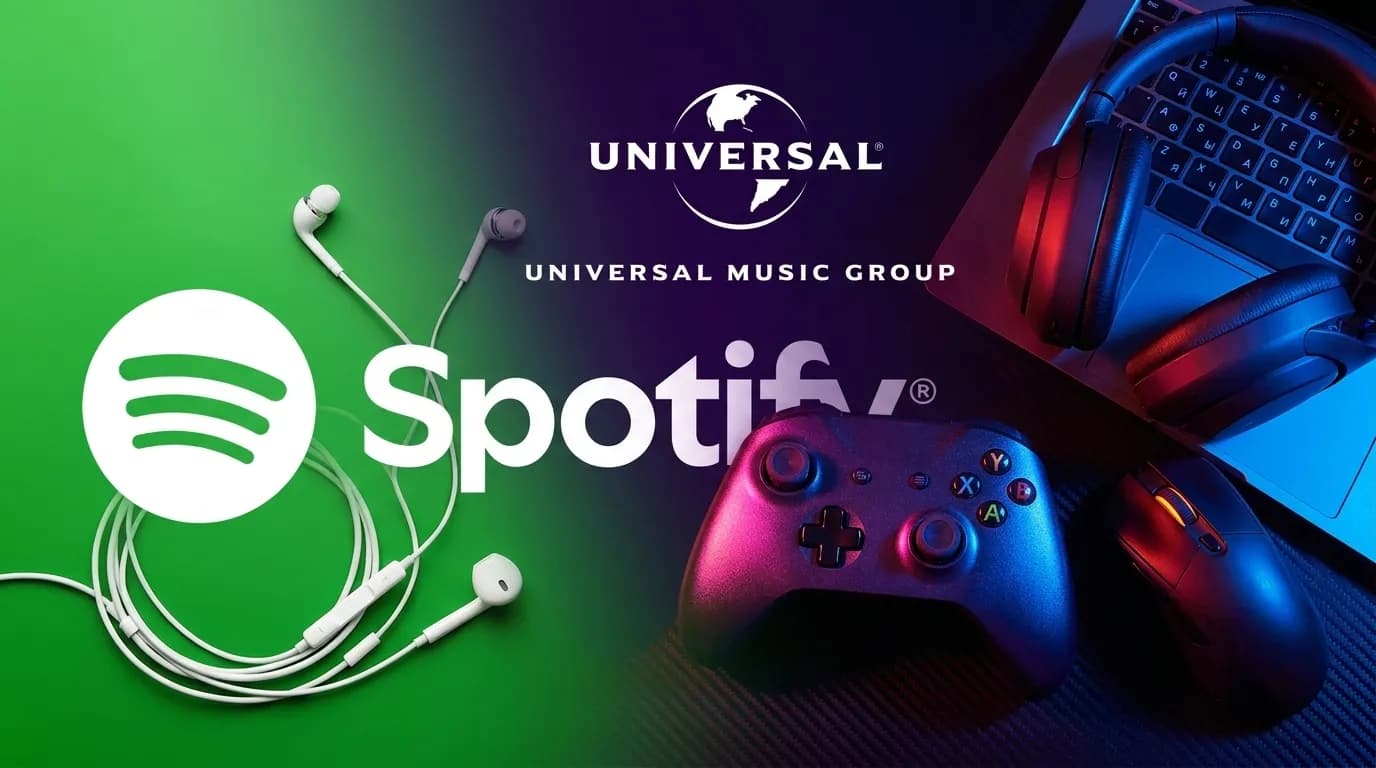
Spotify’s board has approved an additional $1.5 billion for the company’s share-repurchase programme.
Approximately $723 million remained under its earlier authorisation. This brings Spotify’s total available repurchase authority to approximately $2.223 billion.
However, the announcement does not mean Spotify will immediately spend the full amount.
The number and timing of purchases will depend on factors including:
Spotify’s share price.
General market conditions.
Business requirements.
Shareholder authorisation.
Alternative investment opportunities.
The company’s broader capital-allocation strategy.
The decision was announced on 20 August 2026 through Spotify’s official company release, republished by Nasdaq.
What is a share buyback?
A share buyback happens when a company purchases some of its own shares from the market.
This can reduce the number of shares available and return capital to shareholders. Depending on the amount actually purchased and other financial factors, it may also affect measures such as earnings per share.
An authorisation gives the company permission to repurchase shares. It is not a commitment to purchase a fixed amount by a specific date.
Does Spotify’s buyback increase music royalties?
No.
The buyback does not directly change:
Royalty rates.
Streamshare calculations.
Recording agreements.
Publishing payments.
Distributor fees.
The amount assigned to recording and publishing rightsholders.
The decision concerns how Spotify may use corporate capital. It is separate from the licensing agreements and royalty systems governing payments to the music industry.
The expanded authorisation may be interpreted as confidence in Spotify’s financial position and ability to return capital to shareholders. However, the announcement does not itself guarantee future cash generation or higher payments to artists.
Why does the Spotify decision matter to rightsholders?
It highlights the difference between platform value and rightsholder income.
A streaming company can improve profitability, generate cash and return capital to investors without automatically changing how music royalties are calculated.
Labels, publishers and artist organisations must therefore continue negotiating for transparent reporting, accurate usage data, effective fraud prevention and sustainable licensing terms.
What Connects These Three Developments?
The three stories represent different forms of music-industry investment.
DevelopmentWhat is being valued?Main industry effectUniversal–Kayax transactionRecorded-music catalogue and label brandConsolidation of valuable local repertoireSound NSW fundingArtists, touring, audiences and venuesStronger creative and live-music infrastructureSpotify buybackCorporate shares and shareholder valueGreater focus on capital allocationTogether, they show that music-industry value extends beyond individual streams.
It includes copyright ownership, brand identity, catalogue data, live venues, audience relationships, touring capacity and the financial strategies of technology platforms.
Art City’s Perspective
For AC Music, a Kurdish music company based in Kurdistan, these developments provide three practical lessons.
First, local-language catalogues can have substantial international value when master ownership, contracts and metadata are properly organised.
Second, a sustainable industry requires investment in venues, touring, promotion and professional development—not only recording and distribution.
Third, the financial success of a streaming platform should not be confused with improved royalty conditions for artists. Rightsholders must monitor licensing terms and payment structures separately from platform profits or share-market activity.
Independent music companies that understand these distinctions will be better prepared to protect their catalogues, attract investment and build international partnerships.
Frequently Asked Questions
Did Universal Music Poland buy Kayax Management?
No. Universal acquired the Kayax Records catalogue business and brand rights. Kayax Management remains independent under a separate strategic partnership.
How many albums are included in the Kayax catalogue?
Kayax describes its catalogue as containing close to 130 albums. Individual ownership circumstances may affect whether particular recordings are included.
Who can apply for Sound NSW funding?
Eligibility varies by programme. Opportunities are designed for qualifying NSW-based artists, acts, organisations, industry professionals and live-music venues.
Can Sound NSW funding pay for venue equipment?
Yes. Eligible venues may seek funding for infrastructure, production equipment, audiovisual systems and advanced lighting, subject to the programme’s conditions and required contribution.
Has Spotify committed to spending $2.223 billion?
No. The figure represents the total amount authorised. Spotify has not committed to a fixed purchase timetable or guaranteed that the entire amount will be used.
Will Spotify’s share buyback increase artist royalties?
No direct royalty change was announced. Share repurchases and music-licensing payments are separate financial matters.
Sources
Music Business Worldwide: Universal Music Poland acquires Kayax catalogue and brand
Music Week: Universal Music Poland acquires Kayax Records catalogue
SEO keywords: Universal Music Poland Kayax acquisition, Kayax Records catalogue, Sound NSW funding 2026, music venue grants Australia, artist development funding, Spotify share buyback, Spotify royalties, music catalogue investment, global music-business news.