
Music Heritage and Industry Changes: Kurdish Saz Recognition and Live Nation’s Pukkelpop Agreement
The global music industry continues to evolve through two important conversations: the protection of cultural heritage and the changing structure of the live music business.
In Kurdish music, discussions around the saz focus on cultural recognition, preservation and the importance of acknowledging the traditions connected to Kurdish musical identity.
Meanwhile, Belgium’s approval of Live Nation’s involvement with Pukkelpop highlights another side of the music industry: how regulators are addressing ownership changes while protecting operational independence.
Kurdish Saz and the Importance of Protecting Musical Heritage
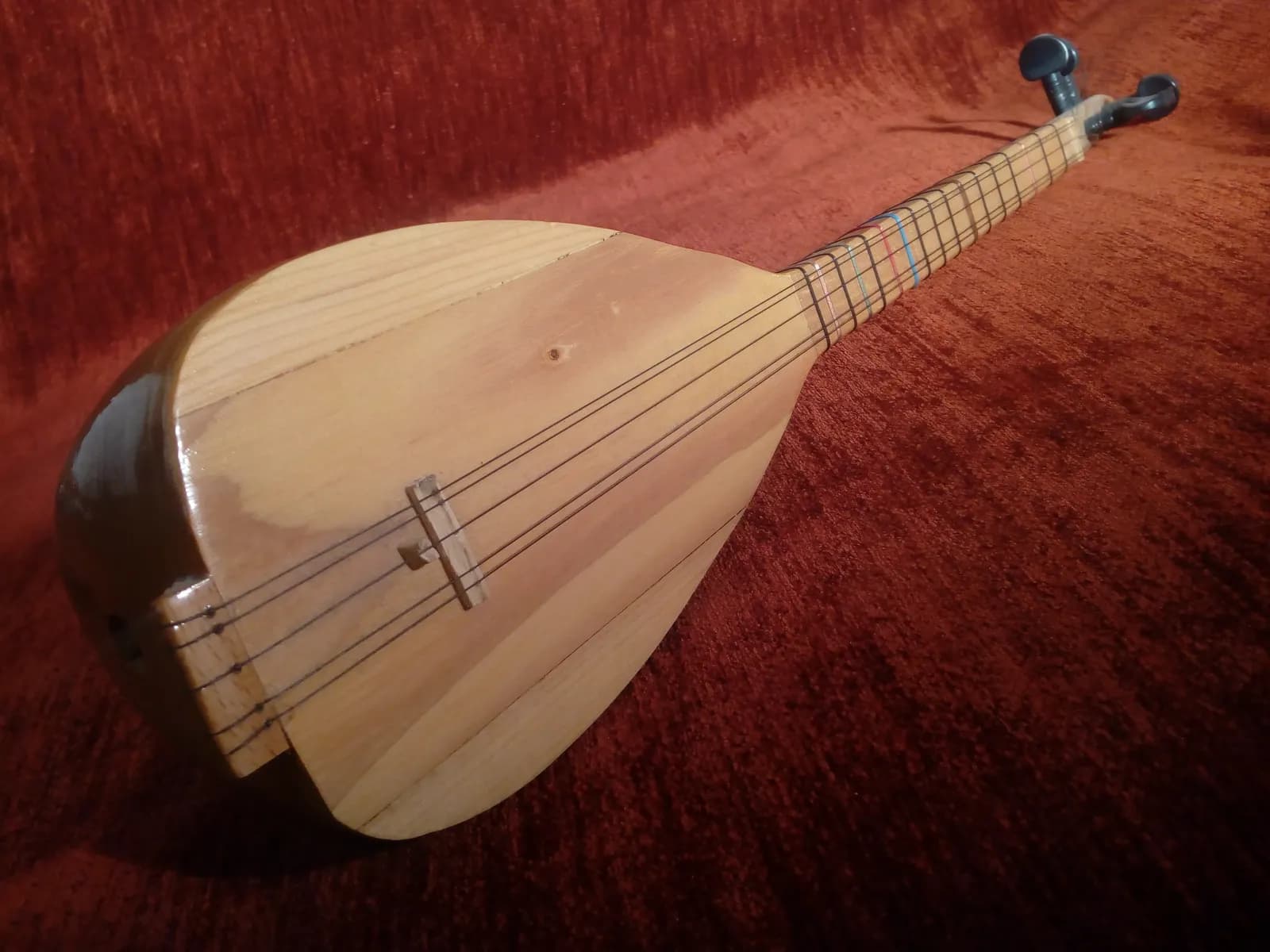
The saz is a traditional long-necked string instrument that has played an important role in various musical traditions across the Middle East, including Kurdish music.
For Kurdish musicians and cultural organisations, instruments such as the saz and tembûr represent more than musical tools. They are connected to storytelling, oral traditions and the preservation of cultural memory across generations. Kurdish music has historically been passed through communities through songs, poetry and traditional performances. (Wikipedia)
Why Are There Discussions About the Saz and Kurdish Cultural Identity?
The discussion around the saz is connected to a broader conversation about cultural recognition and representation.
Some Kurdish cultural voices argue that Kurdish musical traditions and instruments have not always received proper recognition when presented internationally. They highlight concerns that cultural elements can sometimes be separated from their original communities or presented without acknowledging their historical connections.
The Kurdish Talent Academy article about Diwan Saz discusses these concerns, focusing on cultural preservation and the importance of recognising Kurdish contributions to music and traditional instruments.
What Is Cultural Appropriation in Music?
Cultural appropriation discussions in music usually focus on situations where elements from a culture are adopted, commercialised or represented without sufficient recognition of their origins.
This can involve:
Traditional instruments.
Musical styles.
Folk songs.
Language and lyrics.
Cultural symbols connected to artistic expression.
However, music has always developed through cultural exchange. Many instruments and musical traditions have travelled across regions and influenced different communities over time.
The key issue for many cultural communities is ensuring that these traditions are represented accurately and that the communities connected to them receive recognition.
Why Is Preserving Kurdish Musical Heritage Important?
Protecting musical heritage helps maintain the connection between historical traditions and future generations.
Documenting Traditional Knowledge
Recording traditional performances and preserving information about instruments helps ensure that cultural knowledge is not lost.
Supporting Kurdish Artists
Creating opportunities for Kurdish musicians allows traditional sounds and instruments to continue developing in modern music environments.
Improving Cultural Recognition
Correct attribution helps audiences understand the origins and histories behind musical traditions.
Passing Heritage to Future Generations
Young musicians play an important role in keeping traditional instruments alive while introducing them to new audiences.
Belgium Approves Live Nation’s Pukkelpop Agreement With Independence Measures
Belgium’s Competition Authority has approved Live Nation’s acquisition of Pukkelpop after accepting legally binding commitments designed to maintain the festival’s operational independence.
While Live Nation retains formal ownership, the agreement ensures that festival operations and related assets will be controlled by an organisation linked to Pukkelpop founder Chokri Mahassine.
The independent operator will continue controlling key decisions, including:
Artist bookings.
Festival programming.
Ticket pricing.
Supplier relationships.
Venue decisions.
Capacity management.
The commitments will remain active for 10 years, with the possibility of a five-year extension, while compliance will be monitored by an independent trustee. (Wikipedia)
Why Did Belgium Review the Pukkelpop Deal?
Competition authorities often review major entertainment acquisitions to understand whether ownership changes could affect competition, artists, suppliers or audiences.
Live music has become an increasingly important part of the global music economy, with major companies involved in areas such as festivals, promotion, ticketing and artist services.
When large-scale acquisitions happen, regulators may examine questions including:
Could competition between festivals be affected?
Could artists have fewer opportunities?
Could suppliers or audiences experience changes?
Will independent decision-making remain possible?
In the Pukkelpop case, Belgium’s Competition Authority accepted commitments intended to preserve independent operational control.
What Does This Mean for the Future of Music Festivals?
The agreement reflects a wider trend in the entertainment industry: balancing global investment with local identity and independent creative decision-making.
Many successful festivals are built around their unique programming, community relationships and cultural identity.
Maintaining independence in areas such as bookings and programming allows festivals to continue developing their own creative direction while operating within larger business structures.
What Do These Two Developments Show About the Music Industry?
Although the Kurdish saz discussion and the Pukkelpop decision concern different areas of music, both highlight important questions about the future of the industry:
Cultural identity:
How can traditional music and cultural expressions receive proper recognition and protection?
Industry structure:
How can global investment continue while maintaining independence and diversity?
As music becomes increasingly global, both cultural preservation and responsible industry development remain important parts of protecting the future of music.
Art City follows developments across music, culture, copyright, distribution and the global creative industries.