
Africa’s $286 Million Music Revenue Gap and Audiomack’s Night Plan Explained
African music is reaching larger audiences, but audience growth does not automatically produce fair or complete income for rightsholders.
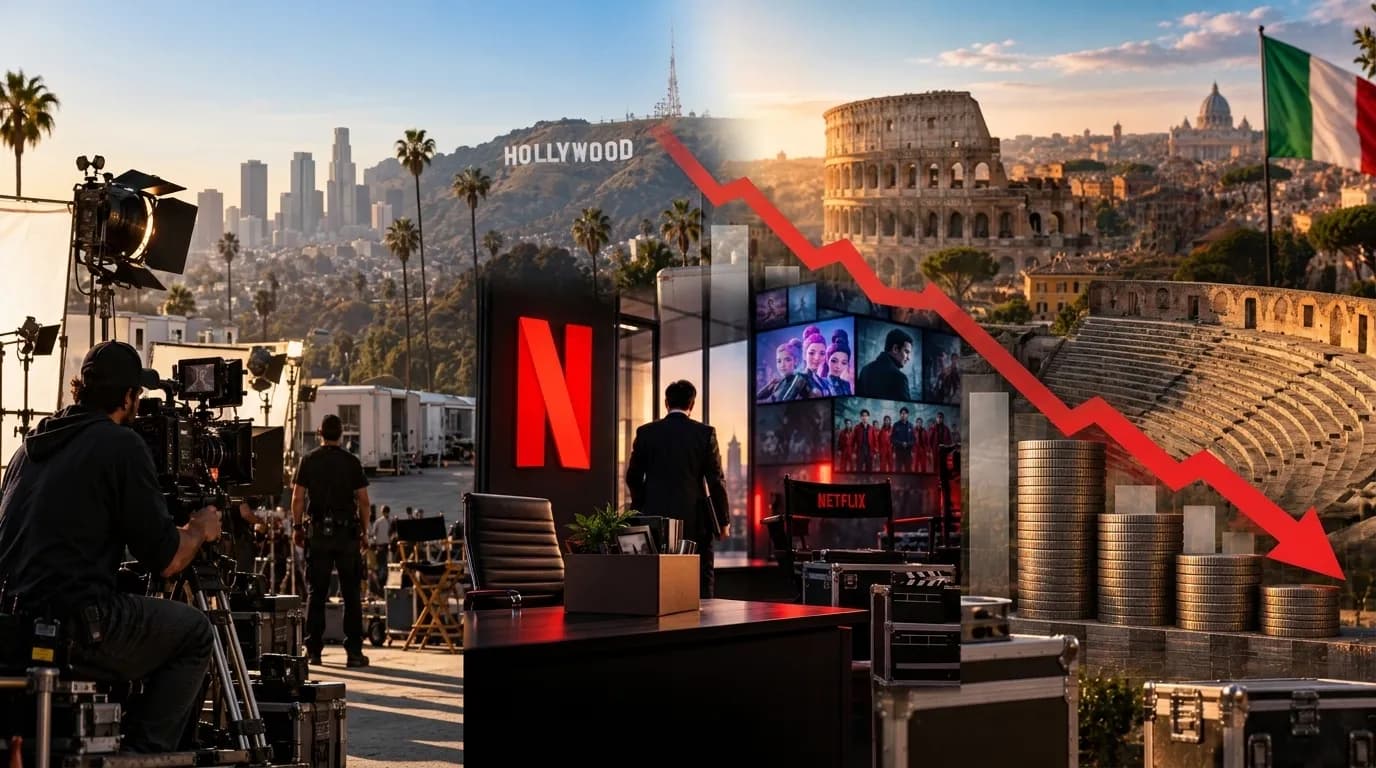
Two developments published in August 2026 reveal different parts of this challenge. A Music Economy Development Initiative estimate suggests that Kenya and Nigeria could leave almost $286 million in music revenue uncollected every year. At the same time, Audiomack has introduced Night Plan, allowing eligible African subscribers to schedule music downloads for overnight periods when mobile data may be cheaper.
Together, the stories show that a sustainable digital music economy needs two things: affordable access for listeners and effective systems that turn music use into revenue for creators and rightsholders.
The Two Developments at a Glance
DevelopmentConfirmed informationWhy it mattersKenya and Nigeria’s revenue gapMEDI forecasts nearly $286 million in annual unrealised music revenue across the two countriesGrowing consumption cannot fully benefit creators without rights management, licensing and enforcementAudiomack Night PlanEligible Plus subscribers can queue music during the day and download it during supported overnight data windowsData cost can be as important as subscription price in mobile-first marketsWhy Could Kenya and Nigeria Leave $286 Million in Music Revenue Uncollected?
The Music Economy Development Initiative, or MEDI, estimates that Nigeria and Kenya could leave approximately $286 million in music revenue uncollected annually from 2027.
The model divides the opportunity into approximately:
$231.4 million for Nigeria
$54.6 million for Kenya
The estimate was cited by Katherine Hiner, the US Patent and Trademark Office’s intellectual-property attaché for Sub-Saharan Africa, in reporting by African Business.
Is $286 million already sitting unpaid in an account?
No. The figure is not a government audit or a confirmed pool of money waiting to be distributed.
It is an econometric estimate of the additional revenue that the two markets could capture under stronger institutional conditions. MEDI compared Kenya and Nigeria with economically and demographically similar markets and modelled the value that more effective copyright, licensing and collection systems could generate.
The number should therefore be understood as an unrealised annual opportunity, not as a precise total of identified unpaid invoices.
Why does music revenue go uncollected?
Digital distribution can place a song on global platforms, but several other systems are required to capture all the income connected to it.
Revenue can be lost or remain unrealised when a market has weaknesses involving:
Copyright registration and ownership records
Collective management organisations, or CMOs
Performer and producer neighbouring rights
Licensing of radio, television, venues and public businesses
Accurate songwriter, performer and recording metadata
Monitoring of music use
Enforcement against unlicensed use
Cross-border royalty agreements
Transparent accounting and payment infrastructure
Streaming revenue is only one part of a music economy. A recording can also generate money from broadcasting, public performance, neighbouring rights, publishing, synchronisation, physical sales and other licences.
If music use is not identified, licensed, matched to the correct rightsholder and reported accurately, its commercial value may never reach the people who created or financed it.
How large is Sub-Saharan Africa’s recorded-music market?
Africa’s music is globally influential, but the region still captures a small part of recorded-music revenue.
According to IFPI’s Global Music Report 2026, Sub-Saharan African recorded-music revenue grew 15.2% in 2025 and reached $120 million. The worldwide recorded-music market reached $31.7 billion during the same year.
This means Sub-Saharan Africa generated approximately 0.4% of global recorded-music revenue, despite being one of the industry’s faster-growing regions. South Africa accounted for 78.1% of the regional total.
The IFPI figure and MEDI forecast measure different things. IFPI reports recorded revenue that was captured, while MEDI models value that Kenya and Nigeria could potentially capture if their music infrastructure became more effective.
What Is Audiomack’s Night Plan?
Audiomack’s Night Plan is a feature for eligible Audiomack Plus subscribers in supported African markets.
It allows a listener to add music to a download queue during the day. Instead of downloading the files immediately, the app schedules the downloads for a supported overnight period, when participating mobile networks may offer cheaper data.
According to Afrikona, supported networks include:
MTN
Airtel
Glo
9mobile
Availability depends on the listener’s country, mobile network and applicable data offer. Night Plan is therefore not automatically available to every Audiomack user in Africa.
How does Audiomack Night Plan work?
The process is designed to be simple:
An eligible Plus subscriber selects music for offline listening.
The listener adds it to the Night Plan queue during the day.
Audiomack schedules the download for the supported overnight window.
The downloaded music becomes available for offline listening inside the app.
The feature also provides queue indicators and download-status notifications. If the device misses the scheduled window by more than four hours, Audiomack can skip that attempt and try again the following night.
Is Night Plan a free mobile-data service?
No. Night Plan does not mean that every download is free.
Its purpose is to schedule downloads during periods when a supported carrier may charge less for mobile data. The actual cost depends on the user’s network, data plan, market and Audiomack subscription.
How important is offline listening in Africa?
Audiomack says its African users have generated 109.3 billion plays and 16.3 billion offline downloads since 2020. These are company-reported figures, but they demonstrate why offline availability is central to the platform’s regional strategy.
In mobile-first markets, the cost of listening includes more than a platform subscription. It can also include:
Mobile-data prices
Network coverage
Connection reliability
Device storage
Battery consumption
Access to fixed broadband or Wi-Fi
A streaming service that ignores these conditions may remain technically available while still being financially or practically difficult to use.
Why Does Audiomack’s Night Plan Matter to Artists and Labels?
Affordable offline access can make it easier for listeners to save an album or playlist and return to it without using mobile data every time.
For artists and labels, this can support:
More convenient access to new releases
Repeat listening in areas with unstable connectivity
Longer engagement with albums and playlists
Audience growth outside major cities
Better service for mobile-dependent listeners
However, offline availability does not guarantee additional royalties by itself. Revenue still depends on the platform’s reporting rules, the listener’s activity, the applicable licence and the accuracy of release metadata.
An offline download inside a streaming app is also not the same as purchasing and owning a permanent music file. It is normally cached access governed by the listener’s subscription and the platform’s terms.
How Are the $286 Million Revenue Gap and Night Plan Connected?
The two stories address opposite ends of the same digital music system.
Part of the systemMain challengeWhat is neededListener accessMobile data can make streaming expensive or unreliableLocal pricing, offline access and telecom partnershipsRights identificationPlatforms and users may not know every contributor or ownerComplete metadata, identifiers and catalogue recordsRevenue collectionMusic use may not be licensed or matched correctlyEffective CMOs, monitoring and royalty systemsCreator paymentCollected income may be delayed, disputed or sent to the wrong partyTransparent accounting, contracts and cross-border cooperationIncreasing access can create more listening, but stronger rights infrastructure is required to convert that activity into sustainable income.
If access grows while collection systems remain weak, consumption may rise without a proportional increase in creator earnings. If rights systems improve but music remains too expensive to access, the potential audience may remain limited.
Africa’s music economy needs progress on both sides.
What Should Artists, Labels and Distributors Do?
1. Complete metadata before distribution
Every release should include correct artist names, songwriters, composers, producers, performers, publishers, ISRCs and ownership information.
2. Register every relevant right
Digital distribution does not automatically register publishing, public-performance or neighbouring rights. Rightsholders should identify the appropriate organisations and mandates for every revenue stream.
3. Preserve contracts and ownership evidence
Labels and artists should retain recording agreements, split sheets, licences, session information and proof of master ownership.
4. Design release strategies for mobile-first listeners
Campaigns should use mobile-friendly links, lightweight promotional material and platforms that offer reliable offline access in the target market.
5. Monitor where audiences are listening
Country, city, platform and device data can help a label decide where to advertise, which telecom partnerships matter and where rights registration may need attention.
6. Reconcile royalty reports
Rightsholders should compare distributor, platform, CMO and publishing statements to identify missing territories, unmatched recordings or unexplained revenue gaps.
What Can AC Music and Kurdish Artists Learn?
The lessons extend beyond Africa.
Kurdish music also travels across multiple territories, languages, platforms and diaspora communities. A release may be popular while its rights information remains fragmented among performers, producers, broadcasters, channels and distributors.
For AC Music and Kurdish rightsholders, the practical priorities are clear:
Treat metadata as part of the release, not an administrative task added later
Separate master, publishing and performer rights
Register and track international uses
Build campaigns for the devices and internet conditions audiences actually have
Use streaming data to locate diaspora and regional demand
Maintain transparent royalty reports for artists and partners
Visibility is important, but visibility becomes a sustainable music business only when access, rights and payments work together.
Frequently Asked Questions
Is the $286 million figure confirmed unpaid revenue?
No. It is a MEDI forecast of annual unrealised revenue opportunity in Kenya and Nigeria, not a government audit of identified unpaid money.
When does the MEDI forecast apply?
The country forecast describes the annual gap expected from 2027 if existing structural weaknesses continue.
Does music distribution collect every type of royalty?
No. A distributor generally handles revenue from the services it supplies. Publishing, public-performance and neighbouring-rights income may require separate registration or administration.
Is Audiomack Night Plan available everywhere in Africa?
No. It is limited to eligible Audiomack Plus subscribers using supported networks and data windows in participating markets.
Does Night Plan provide free downloads?
Not necessarily. It schedules downloads for overnight periods when mobile data may be cheaper. The actual cost depends on the carrier and the listener’s plan.
Does an offline download mean the listener owns the song?
No. Offline access within a streaming app is normally temporary and governed by the platform’s subscription terms.
Can offline listening help an artist?
It can make music easier to access and replay, but royalties depend on reported listening, contracts, platform rules and accurate rights data.
Conclusion
Kenya and Nigeria’s estimated $286 million annual revenue gap shows that global interest in African music is not enough. Copyright enforcement, CMOs, metadata, licensing, reporting and cross-border payment systems determine whether cultural success becomes sustainable income.
Audiomack’s Night Plan addresses a different but equally important barrier: the real cost of accessing music through mobile data.
Together, the developments show what a functioning digital music economy requires. Listeners need affordable and practical access, while creators and rightsholders need reliable systems that identify music use, collect its value and distribute the resulting revenue accurately.