Oct 14, 2026
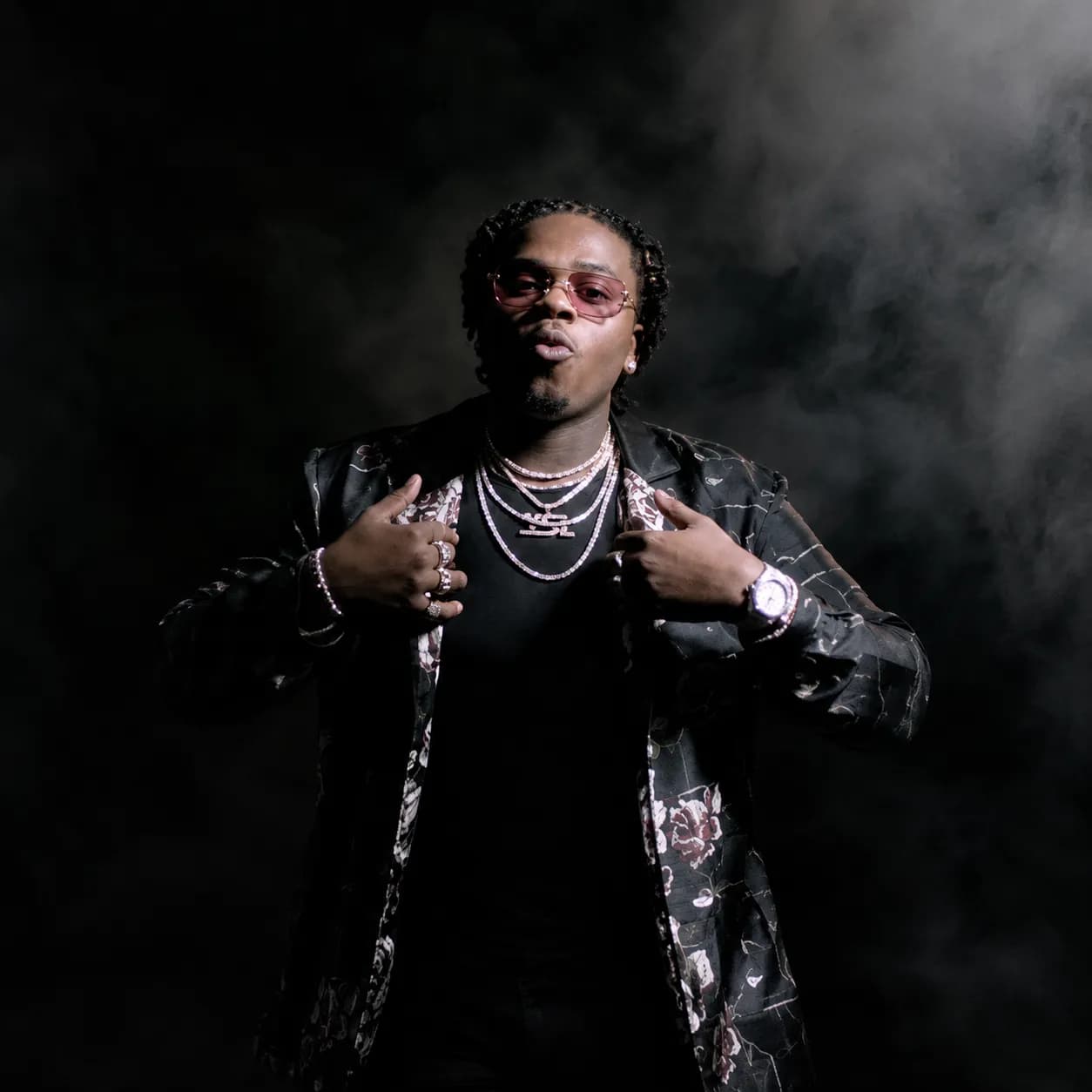
The music business is changing quickly as distributors, artists and major music companies adapt to new technology and new business models. Two recent developments highlight very different sides of this transformation. DistroKid has confirmed that some recordings were removed from streaming services following Universal Music Group’s legal action involving unauthorized and AI-generated content. At the same time, some independent artists have reported that legitimate, non-AI music was also removed. Separately, rapper Gunna has launched SB THE LABEL, a new record label created in partnership with Atlantic Music Group, giving the artist a direct leadership role in developing new talent. The two stories are separate, but both raise important questions about how artists operate in today's music industry: How can legitimate music be protected in an increasingly automated distribution system, and how much control can successful artists have over the next generation of talent? DistroKid Takedowns Raise Questions About Artist Protection Why Did DistroKid Remove Some Music? DistroKid confirmed that it removed a small number of recordings from streaming platforms following Universal Music Group's lawsuit concerning the distribution of unauthorized and AI-generated material. The dispute has brought increased attention to how music distributors identify potentially problematic content and how they respond when rights concerns are raised. According to The Verge, several independent musicians said that legitimate, non-AI recordings were also removed, with some artists reporting that they received little or no warning before their music disappeared from streaming services. DistroKid has disputed the scale of the issue, describing the number of affected recordings as small and saying it is working to minimize disruption to artists. Can Legitimate Music Be Caught in Anti-Fraud or AI Enforcement? The reports from independent musicians suggest that this can happen. When distributors and streaming services increase enforcement against unauthorized or AI-generated content, they need to distinguish between different types of recordings. A legitimate recording might be: Completely human-created. AI-assisted but legally distributed. Fully AI-generated with appropriate rights. Licensed from another rights holder. Uploaded by the legitimate owner. Uploaded without the necessary authorization. These categories can become difficult to distinguish at scale. As millions of recordings are distributed through digital platforms, automated detection systems are increasingly important. But when those systems make mistakes, legitimate artists can be affected. Why Are Takedown and Appeal Systems Important? For an independent artist, a distributor can be the gateway to Spotify, Apple Music, YouTube Music and other digital services. If a track is removed, the impact can extend beyond losing access to the recording. A takedown can potentially affect: Streaming revenue. Playlist placements. Release campaigns. Audience growth. Artist momentum. Promotional partnerships. Royalty reporting. Fan access to the music. This is why a strong appeal system matters. If an artist believes their music was incorrectly removed, they need a clear process through which they can explain their ownership, provide evidence and request a review. What Documentation Should Artists Keep? The DistroKid situation highlights the importance of keeping documentation that proves your rights. Artists and labels should consider maintaining: Proof of Ownership Keep records showing who owns the master recording and composition. Master Documentation Maintain original recordings, session files and other evidence of how the recording was created. Contracts and Agreements Keep producer agreements, artist agreements, licensing contracts, sample clearances and other relevant documents. Metadata Make sure artist names, songwriter information, ISRCs and other metadata are accurate and consistent. Licensing Evidence If your music contains samples, licensed material or third-party content, keep documentation showing that you have permission to use it. Good documentation does not guarantee that a takedown will never happen, but it can make it easier to demonstrate legitimate ownership when a dispute occurs. Gunna Launches SB THE LABEL With Atlantic Music Group While DistroKid's story concerns the relationship between distributors, rights holders and artists, another development shows an artist taking a more direct role in the business side of music. Atlanta rapper Gunna has launched SB THE LABEL, a new record label in partnership with Atlantic Music Group, part of Warner Music Group. Gunna will serve as the label's CEO. The label's first three signings are Casper Bluff, Nechie and Dracc. The partnership was announced on October 9, 2026, alongside the release of Gunna's single pop it. Financial terms of the partnership have not been disclosed. What Is an Artist-Led Record Label? An artist-led label is a business structure in which an established artist takes an active role in discovering, developing or managing other artists. Instead of remaining solely focused on their own recording career, the artist becomes part of the executive and talent-development side of the music business. In Gunna's case, SB THE LABEL gives him a formal leadership position while Atlantic Music Group provides the major-label partnership and infrastructure. This is different from simply having an artist launch a personal imprint for branding purposes. Gunna is officially serving as the label's CEO and is directly involved in building its roster. Who Has Gunna Signed? SB THE LABEL's first three artists are: Casper Bluff Nechie Dracc All three are Atlanta artists. Nechie previously appeared on Gunna's music, including the track i can't feel my face from his 2025 album The Last Wun, while Dracc is known for the track P Star, according to the announcement. The first signings therefore have an existing connection to Gunna's artistic world and Atlanta's music scene. Why Partner With a Major Label? An artist-led label can give a successful musician greater involvement in artist development while allowing a major company to provide infrastructure and resources. Atlantic Music Group can bring capabilities such as: Distribution. Marketing. Promotion. International reach. Industry relationships. Commercial infrastructure. Label services. Gunna, meanwhile, brings his experience as an artist and his understanding of the creative environment in which the new artists are developing. This creates a partnership between artist-led creative direction and major-label infrastructure. Is This a New Model? Artist-led labels and joint ventures are not new. However, major music companies have increasingly entered partnerships with independently operated labels and artist-founded businesses. Atlantic Music Group, for example, has recently entered other partnerships involving independent labels and artist-led companies. In April 2026, Atlantic Music Group announced a multi-level partnership with Fader Label that included a 50/50 joint venture focused on signing and developing artists. The Gunna deal fits into this broader industry movement toward partnerships where major companies work with entrepreneurial artists and independent label founders rather than simply operating through traditional label structures. What Does Gunna's CEO Role Mean? Gunna's position gives him responsibility beyond performing. As CEO, his role can involve decisions around: Artist recruitment. A&R. Artist development. Creative direction. Label branding. Release strategy. Building the company's roster. This means he is moving from being only an artist to becoming an artist and music-business executive. His success as an artist may also provide insight into the realities faced by emerging musicians, although running a label requires a different set of skills from performing and recording. What Do These Two Stories Tell Us About the Music Business? The DistroKid and SB THE LABEL stories represent opposite sides of artist control. The DistroKid story demonstrates how artists can become dependent on distribution infrastructure and platform enforcement systems to reach audiences. Gunna's new label demonstrates how a successful artist can attempt to gain greater control over the development of other artists and the business surrounding their music. One story is about protecting access to distribution. The other is about expanding control over artist development. Both are increasingly important in today's music industry. What Should Independent Artists Learn From the DistroKid Situation? Artists should not assume that uploading music is the end of their administrative responsibilities. They should also maintain: Ownership records. Master files. Contracts. Licences. Metadata. ISRC information. Evidence of legitimate samples. Distributor correspondence. Understanding your distributor's takedown, dispute and appeal procedures is also important. If something goes wrong, having the right documentation can make it much easier to explain your position. What Can Artists Learn From Gunna's Label? Gunna's move demonstrates that artists can build careers beyond recording and performing. Successful musicians can potentially expand into: Record labels. Publishing companies. Management. Artist development. Production. Brand partnerships. Investments. Music technology. However, starting a label also creates new responsibilities. A label needs systems for contracts, accounting, royalty reporting, A&R, marketing, distribution, rights management and artist relationships. Being a successful artist does not automatically mean someone knows how to operate a record company. That is why partnerships with experienced music companies can be valuable. What Is the Future of Artist Control? The modern music industry gives artists more tools than ever to distribute music independently. At the same time, artists are increasingly dependent on large digital platforms and distribution systems. This creates an interesting tension: Artists have more access to the market, but they also need to understand the systems controlling that access. At the same time, successful artists increasingly have opportunities to become entrepreneurs, investors, label founders and executives. The result is a music industry in which the traditional relationship between artist, label and distributor is becoming less rigid. Artists can be creators, business owners, label executives and rights holders at the same time. The Bigger Picture The DistroKid situation highlights one of the industry's biggest challenges in the AI era: How do you protect music from fraud and unauthorized content without incorrectly removing legitimate artists? Gunna's SB THE LABEL demonstrates another important development: How can artists use their success to gain greater influence over the next generation of musicians? Both questions point toward a broader transformation in the music business. Technology is changing distribution. AI is changing content creation. Streaming is changing how music generates revenue. And artists themselves are increasingly becoming business operators. For independent musicians, understanding these changes is becoming just as important as creating the music itself. Your music is your creative work — but understanding your rights, your documentation, your distributor and your business structure is what helps protect the career built around it. Art City follows developments across music distribution, copyright, royalties, AI, artist development and the global music industry.